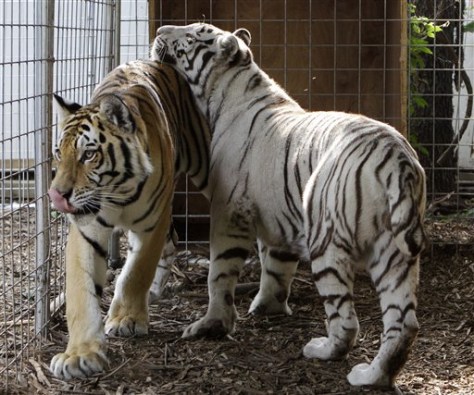
 The contentious difficulty of the trade in, breeding and the maintaining of exotic wild animals as pets in South Africa has not only deeply disturbing welfare implications for the animals concerned, however, simply as importantly, is a significant menace to conservation and biodiversity. Canada and the EU propose to clarify, particularly, that trade in rosewoods, palisanders and bubingas for the purpose of manufacturing completed musical devices, finished musical instrument components and finished musical instrument equipment” should not lined by the Appendix II itemizing for these tree species.
Consultants warn that prohibiting sure species can generate a response in the market that can promote the commerce of different animals with the same issues. In folks, it dissolves in blood and leaves the physique in urine; in birds and reptiles, it is excreted as a solid waste product so that these animals can retain water.
People with weak immune programs must also be wary of adopting unique pets, as some, like reptiles, carry salmonella in their intestine. All manner of different exotic invaders, or importees, are threatening native wildlife in America. The conference will subsequently think about the broad challenge of commerce in animal and plant specimens from non-wild sources (Docs.
These usually involve enabling rural communities to develop revenue or increase meals safety by the sustainable use and conservation of wild animals and crops. The unregulated worldwide pet trade is increasingly seen as a risk to colourful and unique lizards, geckos, iguanas, snakes, turtles, tortoises, frogs, newts and spiders.
However, just as cautious scrutiny has uncovered the exotic pet commerce, so too will governments really feel the main target of the same spotlight as a world scientific community increasingly criticises the protecting of wildlife in the dwelling, and all who encourage it.…
 Cease the demand for exotic pets. However many people do not realize that maintaining pygmy hedgehogs, Fischer’s lovebirds and bush infants might be just as detrimental to those fragile species. Within the hands of unprepared or incompetent caretakers, many unique animals die or are abandoned. The commonest unusual pets that Nalezny treats today embody parrots and other birds, bearded dragons, various varieties of turtles and tortoises, chameleons, and snakes.
 A big proportion of successful vertebrate invasions can be traced to the worldwide unique pet trade. The Exotic Pet Expo is bringing some unique reptiles to the area, like pythons, bearded dragons, chameleons and extra. Even a small cockatiel can reside to be 10-15 years so it isn’t uncommon for sure pets to outlive their house owners. Research into what makes some unique pet species more widespread than others is central to predicting the risk that commerce contributes to organic invasions.
 A big proportion of profitable vertebrate invasions can be traced to the worldwide unique pet trade. In addition to the doable harm that could possibly be completed to those wild animals kept in private properties, the lions and tigers and other “exotics” also pose hazard to people Born Free USA, a nonprofit advocacy group that strives to end the ownership of untamed animals, has documented some 1,500 assaults, including 75 human deaths, escapes and other incidents involving exotic pets since 1990, in response to MyHealthNewsDaily Born Free knowledge signifies a number of dangerous interactions between humans and these wild animals, with one incident involving a 4-12 months-previous boy in Texas who was hospitalized after being mauled by a pet mountain lion kept by his aunt.
 We’ve got already revealed many posts devoted to pets and a overwhelming majority (if not all) of them have featured canine and cats At present’s post will probably be also about pets, however this time around, we will focus on way more uncommon and unlikely pets as we are going to show you a few of the coolest exotic animals legal to own. Nevertheless, just as cautious scrutiny has uncovered the exotic pet commerce, so too will governments feel the main focus of the identical highlight as a global scientific community increasingly criticises the keeping of wildlife in the house, and all who encourage it.
 Cease the demand for unique pets. Human contact with reptiles and other exotic animals accounts for 70,000 circumstances of salmonellosis each year. We’re against the merciless wild-caught animal trade, so ensuring your exotic pet hasn’t been taken from their house in the wild is important.
 A big proportion of profitable vertebrate invasions may be traced to the worldwide unique pet trade. For one, many owners shouldn’t have the knowledge or monetary potential to adequately replicate a wild animal’s habitat inside their own homes. Wild animals belong within the wild — not within the confinement of circuses, zoos, aquaria, backyards, or properties.
 Most veterinarians are skilled to treat dogs and cats, or larger farm animals, or each. Many animals who have grow to be too troublesome for their homeowners to care for, or who have outgrown their usefulness as pets” or profit-makers, end up languishing in small pens in backyards, doomed to stay in deplorable conditions, or are deserted or killed.
 Most veterinarians are educated to deal with canine and cats, or larger farm animals, or both. Reptiles and amphibians have species-particular thermal, hydrological, dietary and behavioral necessities, and most homeowners lack a fundamental understanding of their needs in captivity. They are unique pets, in order that they require certain permits but are very much legal.